
จีนจัดเวทีการทูตทางเลือก Track II รวมผู้เชี่ยวชาญจีน–ไทย–กัมพูชา หนุนปฏิบัติการตามฉันทามติฝู่เซียน หวังฟื้นฟูความไว้เนื้อเชื่อใจและสร้างสันติภาพยั่งยืน หลังสถานการณ์ชายแดนยังเปราะบาง
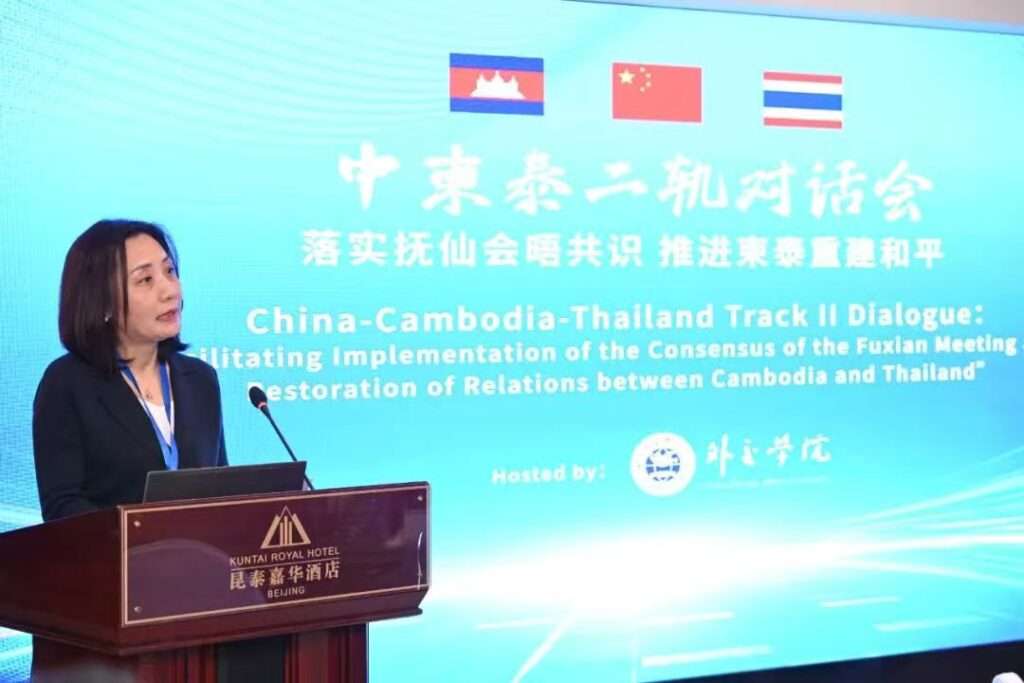
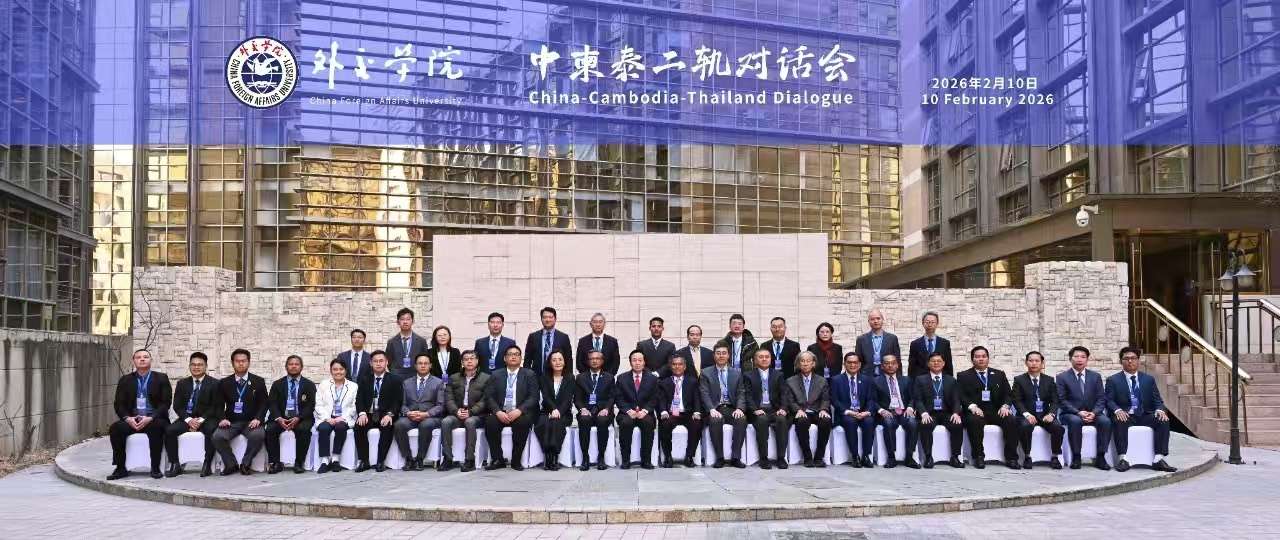
เมื่อวันที่ 10 กุมภาพันธ์ มหาวิทยาลัยการต่างประเทศจีน (China Foreign Affairs University – CFAU) ได้จัดการประชุมเชิงโต๊ะกลมแบบ Track II ระหว่างจีน-กัมพูชา-ไทย ที่กรุงปักกิ่ง โดยผู้เชี่ยวชาญจากสามประเทศได้แลกเปลี่ยนมุมมองเกี่ยวกับกระบวนการสันติภาพที่กำลังดำเนินอยู่ หลังเกิดความขัดแย้งตามแนวชายแดนระหว่างกัมพูชากับไทย การประชุมครั้งนี้มีเป้าหมายเพื่อให้การสนับสนุนเชิงปัญญาในการดำเนินการตาม “ฉันทามติฝู่เซียน” และฟื้นฟูความสัมพันธ์ระหว่างกัมพูชากับไทย ภายในงานดังกล่าวมีนายหวัง ชือติ้ง เลขาธิการคณะกรรมการพรรคคอมมิวนิสต์จีนของ CFAU และนายเกา เฟย ประธานมหาวิทยาลัย CFAU เข้าร่วมด้วย
ปลายปีที่ผ่านมา ความตึงเครียดได้ปะทุขึ้นอีกครั้งบริเวณชายแดนระหว่างกัมพูชากับไทย ระหว่างวันที่ 28–29 ธันวาคม 2025 รัฐมนตรีว่าการกระทรวงการต่างประเทศและหัวหน้าหน่วยงานทหารของจีน กัมพูชา และไทย ได้จัดการประชุมร่วมกันที่ทะเลสาบฝู่เซียน มณฑลยูนนาน สาธารณรัฐประชาชนจีน และบรรลุฉันทามติร่วมกัน 5 ข้อ เพื่อเสริมสร้างการหยุดยิงและฟื้นฟูความสัมพันธ์ระหว่างกัมพูชากับไทย
อย่างไรก็ตาม การนำฉันทามตินี้ไปสู่การปฏิบัติจริงยังคงเผชิญอุปสรรคหลายประการ โดยเฉพาะความเข้าใจซึ่งกันและกันและความไว้วางใจระหว่างกัมพูชากับไทยยังคงเปราะบาง ภายใต้สถานการณ์เช่นนี้ CFAU จึงได้จัดเวทีการทูตแบบ Track II ขึ้น โดยรวบรวมผู้เชี่ยวชาญจากสถาบันวิจัยและมหาวิทยาลัย เพื่อหารือประเด็นต่างๆ ที่ครอบคลุมทั้งการระงับข้อพิพาท ความสัมพันธ์ระหว่างประเทศ กฎหมายระหว่างประเทศ และความมั่นคงทางทหาร
ศาสตราจารย์ซุน จื้อเซิง รองอธิการบดี CFAU ผู้รับผิดชอบด้านความร่วมมือระดับภูมิภาคเอเชีย ได้ระบุเป้าหมายหลักของการประชุมสามประการในการให้สัมภาษณ์กับนิตยสาร China Report ASEAN ดังนี้:
(1) ส่งเสริมสันติภาพระดับภูมิภาค โดยผลักดันการลงมือปฏิบัติจริงตามฉันทามติทางการเมือง
(2) ใช้ประโยชน์จากลักษณะไม่เป็นทางการและความยืดหยุ่นของการทูตแบบ Track II เพื่อส่งเสริมความเข้าใจร่วมกัน ชี้แจงจุดยืน และสร้างความไว้วางใจระหว่างทุกฝ่าย
(3)รวมรวมองค์ความรู้เชิงวิชาการ เพื่อให้การสนับสนุนเชิงปัญญาต่อการดำเนินการตามฉันทามติ
ศาสตราจารย์ซุน กล่าวเพิ่มเติมว่า การประชุมครั้งนี้ไม่ได้มุ่งเน้นเพียงแค่การรักษาการหยุดยิงเท่านั้น แต่ยังขยายไปถึงมิติพื้นฐานของสันติภาพที่ยั่งยืน ได้แก่ การศึกษา สื่อ ความสัมพันธ์ระดับประชาชน และการดำรงชีวิตของชุมชนบริเวณชายแดน “ประเด็นเหล่านี้มักถูกมองข้าม แต่กลับมีความสำคัญอย่างยิ่งต่อรากฐานทางสังคมของความสัมพันธ์ทวิภาคี สันติภาพที่ยั่งยืนต้องอาศัยความเข้าใจและการไว้วางใจที่แท้จริงระหว่างประชาชนด้วยกัน”
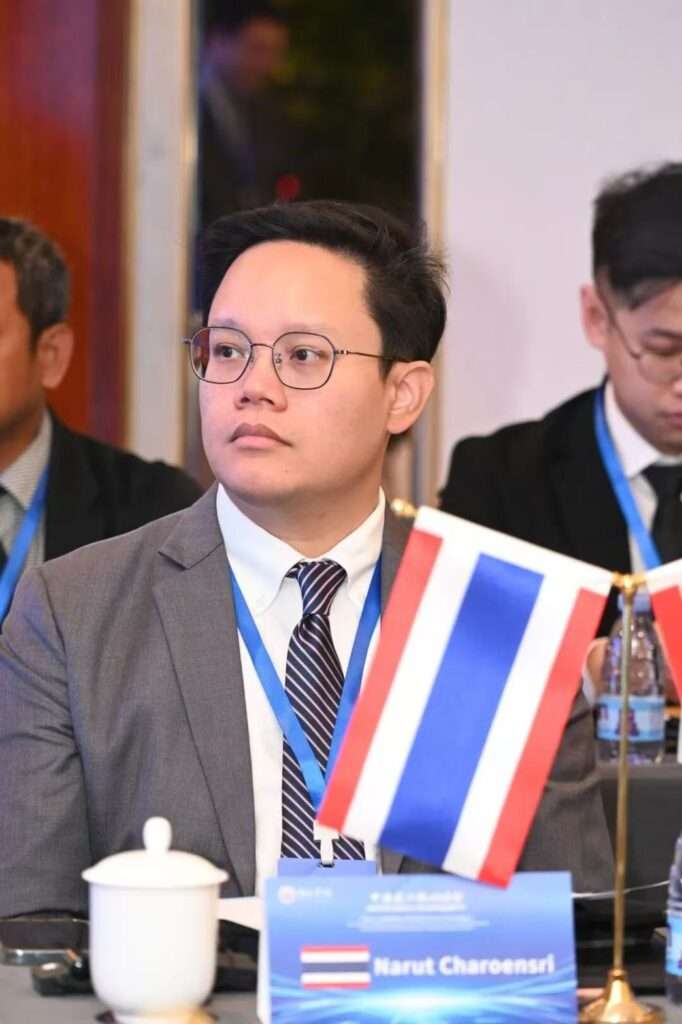
ผู้เชี่ยวชาญทุกฝ่ายเห็นพ้องตรงกันว่า แม้ความตึงเครียดตามแนวชายแดนกัมพูชา-ไทยจะลดลงชั่วคราว แต่สถานการณ์ยังคงเปราะบาง และความมั่นคงยังพึ่งพาการยับยั้งชั่งใจทางการเมืองและการสนับสนุนจากสถาบันภายนอกเป็นหลัก สันติภาพยังไม่สามารถดำรงอยู่ได้ด้วยตัวเอง พวกเขาชี้ให้เห็นถึงความท้าทายที่เกี่ยวข้องกันหลายประการ ได้แก่ ข้อพิพาทเรื่องดินแดนในอดีตที่ยังไม่ได้รับการแก้ไข ความแตกต่างทางกฎหมาย กลไกการหยุดยิงที่อ่อนแอ วงจรการเมืองภายในประเทศ รวมถึงผลกระทบจากชาตินิยมและข้อมูลเท็จ
ในการประชุม ผู้เชี่ยวชาญได้เสนอข้อเสนอแนะเชิงปฏิบัติหลายประการ เช่น การค่อยๆ กลับมาดำเนินการแลกเปลี่ยนทวิภาคีในทุกระดับ การฟื้นฟูช่องทางการสื่อสารทางการทูต การใช้กลไกความร่วมมือลุ่มแม่น้ำโขง (Lancang-Mekong Cooperation) เป็นเวทีสนทนา และการเสริมสร้างความร่วมมือร่วมกันในการต่อต้านอาชญากรรมข้ามพรมแดน โดยเฉพาะการฉ้อโกงทางโทรคมนาคมและออนไลน์ เพื่อรักษาความปลอดภัยของประชาชนและผลประโยชน์ระดับภูมิภาค
นักวิชาการจากกัมพูชาและไทยชื่นชมบทบาทเชิงสร้างสรรค์ของจีนในการส่งเสริมการเจรจาและการปรองดองระหว่างประเทศเพื่อนบ้าน และแสดงความหวังว่าจีนจะยังคงให้ความช่วยเหลืออย่างเป็นรูปธรรมต่อไป ทั้งในการรักษาการหยุดยิง การสนับสนุนด้านมนุษยธรรม และการฟื้นฟูชีวิตความเป็นอยู่ของประชาชนในพื้นที่ชายแดน
ศาสตราจารย์ซุน กล่าวว่า ในฐานะสถาบันการทูตเฉพาะทาง CFAU ได้ให้ความสำคัญกับการศึกษาภูมิภาคเอเชียมาอย่างยาวนาน โดยทำหน้าที่เป็นผู้ประสานงานระดับชาติของจีนสำหรับทั้ง “เครือข่ายสถาบันวิจัยเอเชียตะวันออก” (Network of East Asian Think Tanks) และ “เครือข่ายสถาบันวิจัยจีน-อาเซียน” (China-ASEAN Think Tank Network) มหาวิทยาลัยมีเครือข่ายความร่วมมือทางวิชาการที่กว้างขวางทั่วภูมิภาค จึงมีทั้งอำนาจเชิงสถาบันและประสบการณ์เชิงปฏิบัติที่จำเป็นต่อการจัดเวทีการทูตแบบ Track II ด้วยเครือข่ายวิชาการอันยาวนานและกลไกการทำงานที่มั่นคง CFAU จึงสามารถรวมผู้เชี่ยวชาญจากทั้งสามประเทศมาร่วมการประชุมนี้ได้อย่างสำเร็จ
ในอนาคต CFAU จะเดินหน้าส่งเสริมการแลกเปลี่ยนทางวิชาการและวัฒนธรรมกับสถาบันวิจัยจากประเทศต่างๆ อย่างต่อเนื่อง โดยวางแผนจะดำเนินการวิจัยร่วมกันในประเด็นสำคัญ เช่น โครงสร้างพื้นฐาน ความร่วมมือด้านการพัฒนา ปัญญาประดิษฐ์ (AI) และสาธารณสุข เพื่อสนับสนุนความร่วมมือเชิงปฏิบัติ นอกจากนี้ มหาวิทยาลัยจะเสริมสร้างการสื่อสารระหว่างประเทศผ่านความร่วมมือกับสถาบันที่เกี่ยวข้อง เพื่อช่วยกำหนดความคิดเห็นสาธารณะระดับภูมิภาค และส่งเสริมแนวคิดร่วมกันว่า “สันติภาพและความมั่นคงคือรากฐานของการพัฒนาของเอเชีย” ความริเริ่มเหล่านี้มีเป้าหมายเพื่อปลูกฝังบรรยากาศเชิงบวกที่เอื้อต่อสันติภาพอันยั่งยืนและความมั่งคั่งร่วมกันในภูมิภาค
การประชุมครั้งนี้นับเป็นความพยายามครั้งแรกของสถาบันจีนในการจัดเวที Track II โดยเฉพาะเพื่อส่งเสริมความสัมพันธ์ระหว่างกัมพูชากับไทย นักวิชาการได้เรียกร้องให้จัดตั้งกลไกการแลกเปลี่ยนเช่นนี้อย่างเป็นระบบ เพื่อให้การสนับสนุนเชิงปัญญาอย่างต่อเนื่อง และสร้างเส้นทางที่เป็นรูปธรรมสู่สันติภาพในระยะยาว
Track II Diplomacy in Action:Scholars Forge Pathways for Cambodia-Thailand Peace
By Huang Jiangqin
On February 10, China Foreign Affairs University (CFAU) convened a China-Cambodia-Thailand Track II dialogue in Beijing. Experts from the three countries exchanged views on the ongoing peace process following the border conflict between Cambodia and Thailand. The dialogue aimed to provide intellectual support for the implementation of the Fuxian consensus and the restoration of relations between Cambodia and Thailand. Wang Shiting, secretary of the CPC CFAU Committee, and Gao Fei, president of CFAU, attended the event.
Late last year, tensions flared up again along the Cambodia-Thailand border. On December 28-29, 2025, the foreign ministers and heads of military departments from China, Cambodia and Thailand held a meeting at Fuxian Lake in Yunnan, China, where they reached a five-point consensus on consolidating the ceasefire and restoring relations between Cambodia and Thailand.
However, putting the consensus into action still faces hurdles, as mutual understanding and trust between Cambodia and Thailand remain fragile. Against this backdrop, CFAU launched the Track II dialogue, gathering experts from think tanks and universities to explore issues from various fields, including conflict resolution, international relations, international law, and military security.
Sun Jisheng, Vice President of CFAU in charge of Asian regional cooperation, outlined three main objectives for the dialogue in an interview with China Report ASEAN: First, to promote regional peace by advancing the implementation of political consensus through concrete actions. Second, to leverage the informal and flexible nature of Track II diplomacy to foster mutual understanding, clarify positions, and build trust among all parties. And third, to pool academic insights to provide intellectual support for the implementation of the consensus.
Sun noted that the dialogue went beyond the immediate concern of consolidating the ceasefire and delved into the foundational dimensions of lasting peace, namely education, media, people-to-people exchanges, and the livelihoods of border communities. “These often-overlooked areas are vital to the social foundation of bilateral ties,” she said. “Lasting peace depends on genuine mutual understanding and trust between peoples.”
Experts agreed that despite a temporary de-escalation of tensions along the Cambodia-Thailand border, the situation remains fragile, with stability still dependent on political restraint and external institutional support. Self-sustaining peace has yet to take hold. They identified multiple interrelated challenges, including unresolved historical territorial disputes, legal differences, weak ceasefire mechanisms, political cycles, and the impact of nationalism and disinformation.
Several concrete recommendations were proposed during the meeting. These included gradually resuming bilateral exchanges at all levels, restoring diplomatic communication channels, leveraging mechanisms such as the Lancang-Mekong Cooperation to facilitate dialogue, and strengthening joint efforts to combat cross-border crimes, particularly telecom and online fraud, in order to safeguard public safety and regional interests. Cambodian and Thai scholars commended China’s constructive role in promoting dialogue and reconciliation among neighboring countries and expressed hope that China would continue to provide substantive assistance in consolidating the ceasefire, supporting humanitarian efforts, and restoring livelihoods in border areas.
As a specialized diplomatic institution, according to Sun, CFAU has long been committed to Asian regional studies. It serves as China’s national coordinator for both the Network of East Asian Think Tanks and the China-ASEAN Think Tank Network. With an extensive academic cooperation network across the region, the university possesses the institutional authority and practical experience necessary to facilitate Track II dialogues. Drawing on its long-standing scholarly networks and established working mechanisms, CFAU successfully brought together experts from all three countries for this dialogue.
Looking ahead, CFAU will continue to deepen academic and cultural exchanges with think tanks from other countries. It plans to carry out joint research in key areas such as infrastructure, development cooperation, artificial intelligence, and public health to support practical cooperation. The university will strengthen international communication by working with relevant institutions to shape regional public opinion and promote the consensus that peace and security underpin Asia’s development. These initiatives aim to cultivate a constructive public climate for enduring peace and shared prosperity in the region.
The dialogue marked the first dedicated Track II initiative by a Chinese institution focused on advanc
รายงานโดย หวง เจียงฉิน (ผู้สื่อข่าว China Report ASEAN)


