
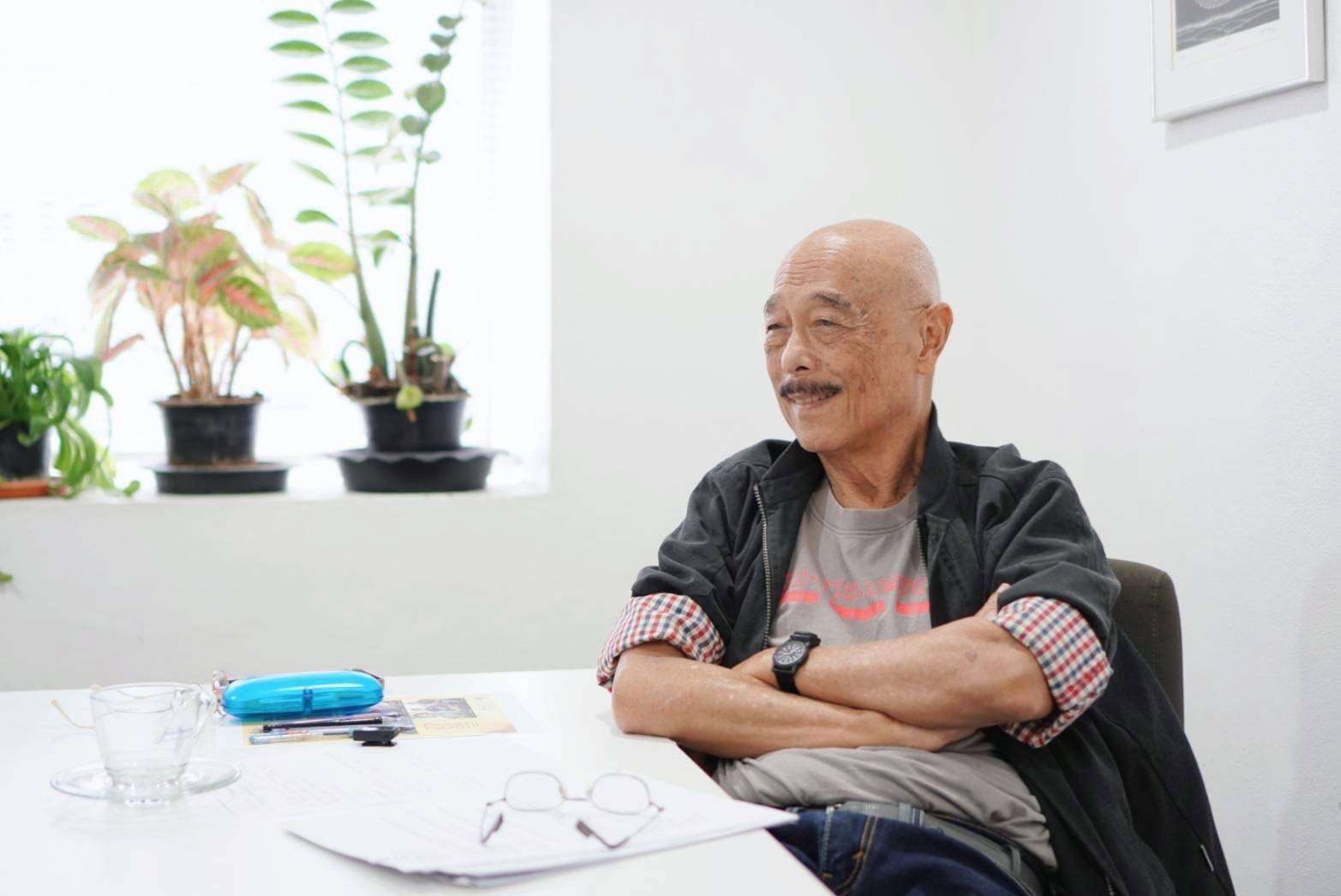
หอศิลปวัฒนธรรมแห่งกรุงเทพมหานคร (BACC) เตรียมเปิดพื้นที่ใหม่ “วรรณกรรมทัพพี” ดึงนักอ่าน นักเขียน ศิลปิน และคนรุ่นใหม่ ร่วมสร้างบทสนทนาทางสังคมผ่านวรรณกรรม ประเดิมกิจกรรมแรก “วรรณกรรมแรงงาน” สะท้อนชีวิตคนทำงานและแรงงานยุคใหม่ “ฉัตรวิชัย พรหมทัตตเวที” ชี้ วรรณกรรมคือ “ต้นน้ำ” ของความคิดและศิลปะแขนงอื่น พร้อมประกาศสร้างเวทีถาวรให้วรรณกรรมกลับมาเป็นเรื่องใกล้ตัวของผู้คนอีกครั้ง
วันที่ 15 พฤษภาคม 2569 ที่ หอศิลปวัฒนธรรมแห่งกรุงเทพมหานคร นายฉัตรวิชัย พรหมทัตตเวที รองประธานกรรมการมูลนิธิหอศิลปวัฒนธรรมแห่งกรุงเทพมหานคร ให้สัมภาษณ์ถึงการเปิดตัวพื้นที่วรรณกรรมของหอศิลป์ ภายใต้โครงการ “วรรณกรรมทัพพี” พร้อมกิจกรรมแรก “วรรณกรรมแรงงาน” โดยระบุว่า หอศิลป์ต้องการเปิดพื้นที่ให้วรรณกรรมกลับมาเป็นส่วนหนึ่งของบทสนทนาในสังคม และเชื่อมโยงกับศิลปะแขนงอื่นอย่างภาพยนตร์ ดนตรี ละคร และศิลปะร่วมสมัย
นายฉัตรวิชัย กล่าวว่า ที่ผ่านมาวรรณกรรมอาจถูกมองเป็นเพียงเรื่องของการอ่านหรือทัศนคติ แต่แท้จริงแล้วเป็นรากฐานสำคัญของศิลปะหลายแขนง จึงอยากเปิด “เวที” ให้คนในวงการวรรณกรรม ทั้งนักอ่าน นักเขียน และผู้สนใจ ได้เข้ามาร่วมเสนอไอเดีย พูดคุย แลกเปลี่ยน และสร้างกิจกรรมร่วมกัน
“หอศิลป์มีคนเข้ามาปีละกว่า 1.8 ล้านคน โดยเฉพาะกลุ่มวัย 15-25 ปี เราคิดว่าวรรณกรรมควรมีพื้นที่ที่ทำให้คนรู้สึกตื่นเต้น สนุก และเข้าถึงได้ คนในวงการเองก็อาจไม่รู้ว่าตอนนี้ใครกำลังเขียนอะไร คิดอะไร หรือมีประเด็นอะไรน่าสนใจ เวทีนี้จึงอยากเป็นพื้นที่ส่องไฟไปยังเรื่องเหล่านั้น” นายฉัตรวิชัย กล่าว
สำหรับชื่อ “วรรณกรรมทัพพี” นายฉัตรวิชัย อธิบายว่า มาจากแนวคิดเรื่องการ “ตัก” เรื่องราว ประเด็น และความเคลื่อนไหวในสังคมขึ้นมานำเสนอ เปรียบเหมือนการใช้ช้อนหรือทัพพีตักสิ่งสำคัญขึ้นมาให้ผู้คนรับรู้ พร้อมเล่นความหมายกับคำว่า “ยกยอ” ที่หมายถึงการฉายแสงหรือยกประเด็นสำคัญขึ้นมาพูดถึง พร้อมย้ำว่า วรรณกรรมไม่ควรถูกทำให้เป็นเรื่องเคร่งเครียดหรือไกลตัว แต่ควรเป็นพื้นที่สนุก เปิดวงสนทนา แลกเปลี่ยนความคิด เหมือนการนั่งล้อมวงคุยกัน
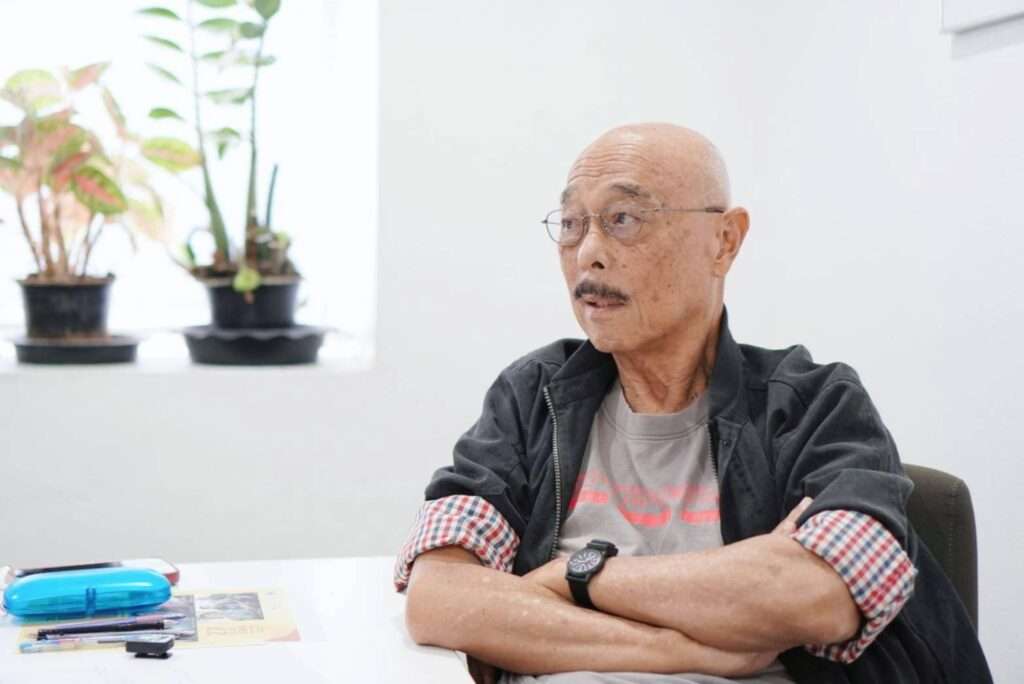
“วรรณกรรมไม่ใช่วรรณเกร็ง หรือวรรณกรน มันสนุกได้ คนอ่าน คนเขียน คนดูหนัง ฟังเพลง หรือคนรุ่นใหม่ สามารถเข้ามาแชร์กันได้ เราอยากให้คนรู้ว่าวรรณกรรมคือ ‘ต้นน้ำ’ ของหลายเรื่อง ทั้งละคร หนัง เพลง หรือบทสนทนาในสังคม” นายฉัตรวิชัย กล่าว
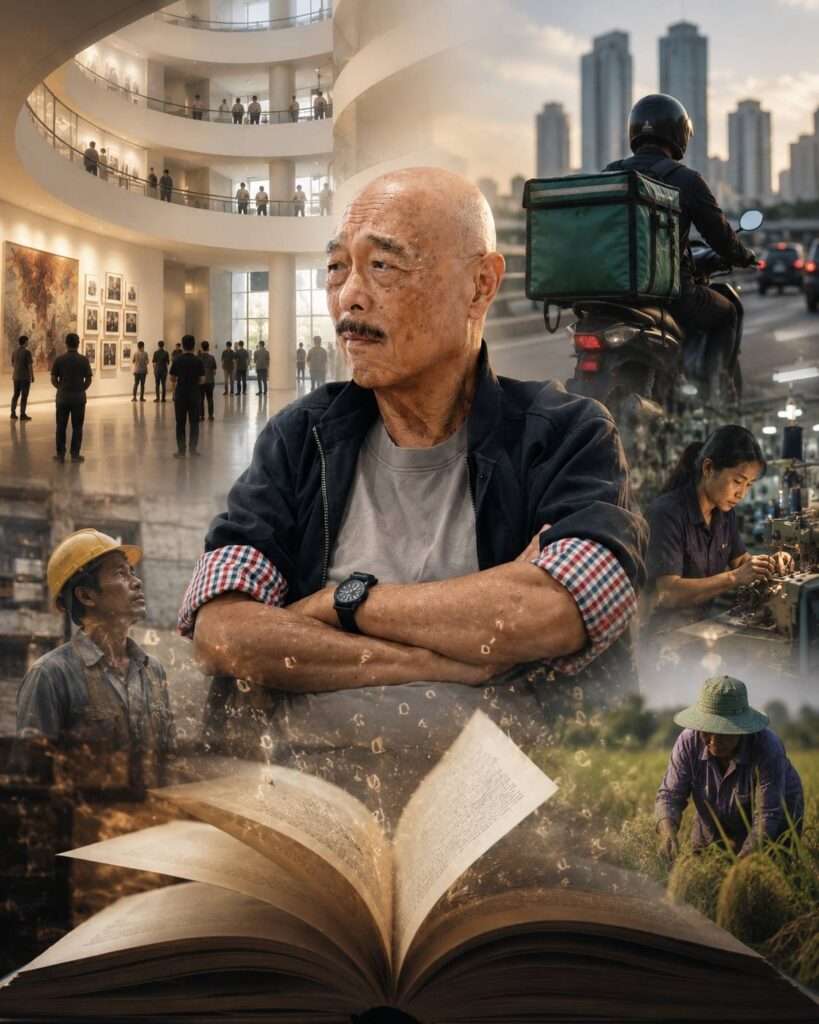
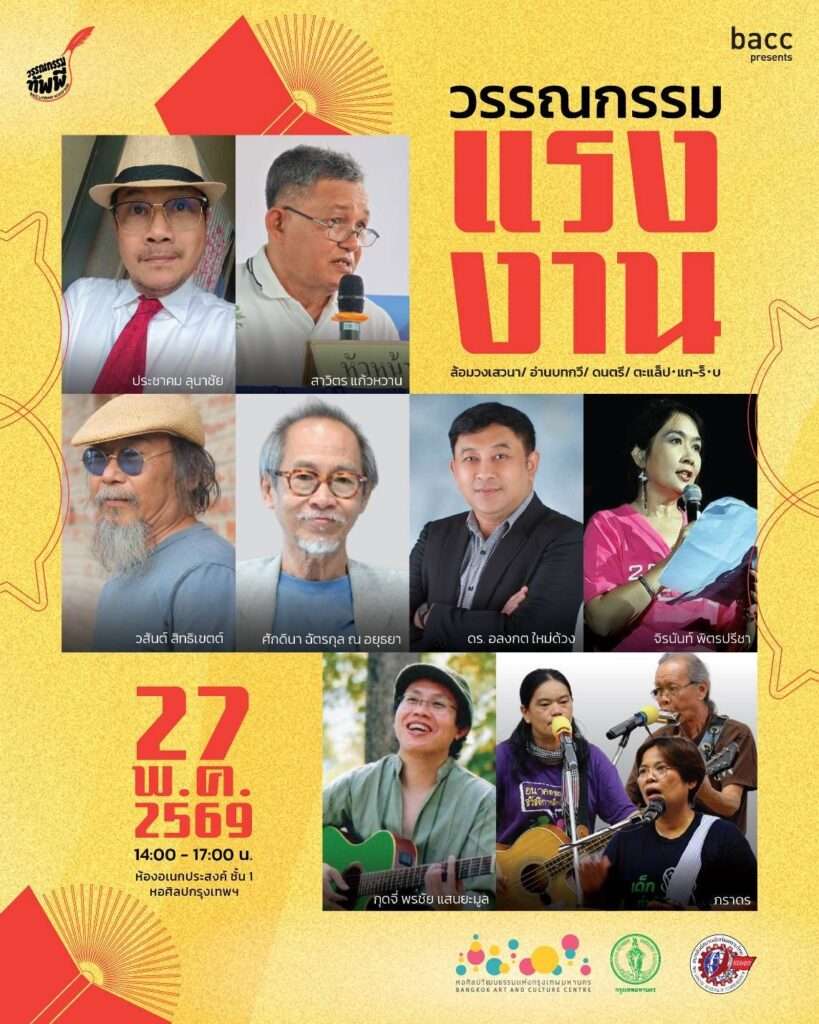
สำหรับกิจกรรมที่จะเปิดตัวครั้งแรกในหัวข้อ “วรรณกรรมแรงงาน”นั้นก็เพื่อต้องการสะท้อนเรื่องราวของแรงงานในมิติสังคมและวัฒนธรรม เพราะแรงงานเป็นพลังสำคัญของสังคม และมีประวัติศาสตร์ยาวนานในประเทศไทย ตั้งแต่แรงงานดั้งเดิมไปจนถึงแรงงานยุคใหม่ เช่น ไรเดอร์ แรงงานแพลตฟอร์ม และคนทำงานรูปแบบต่าง ๆ ที่กำลังเป็นประเด็นในสังคมปัจจุบัน ซึ่งสามารถนำมาต่อยอดผ่านงานเขียนและวรรณกรรม เพื่อสะท้อนชีวิต ความคิด และความเปลี่ยนแปลงของผู้คนได้ ศิลปะและวรรณกรรมไม่ได้มีไว้เพื่อถกเถียงอย่างเดียว แต่มันสะท้อนสังคมได้ สะท้อนชีวิตคนทำงาน และสร้างบทสนทนาที่ทำให้ผู้คนเข้าใจกันมากขึ้น
นายฉัตรวิชัย ยังกล่าวว่า หอศิลป์ต้องการเปิดพื้นที่ให้เครือข่ายนักอ่าน นักเขียน ศิลปิน และกลุ่มวรรณกรรมจากหลายพื้นที่เข้ามามีส่วนร่วม ทั้งคนกรุงเทพฯ ต่างจังหวัด รวมถึงกลุ่มคนรุ่นใหม่ ภายในโครงการจะมีทั้งกิจกรรมขนาดเล็กและขนาดใหญ่ การพบปะพูดคุย เวิร์กช็อป และเวทีสนทนา เพื่อสร้างชุมชนของคนอ่านและคนเขียนให้แข็งแรงขึ้น มองว่าศิลปะจะเป็นวัฒนธรรมไม่ได้ ถ้าไม่มีคนรับรู้ เราไม่ได้อยากแค่ขุดประเด็นขึ้นมา แต่ต้องฉายแสงให้คนเห็น เวทีนี้จะเป็นพื้นที่โฟกัสเรื่องสำคัญในวงการวรรณกรรม และทำให้มันแพร่หลายออกไป
ทั้งนี้ โครงการ “วรรณกรรมทัพพี” ถูกวางให้เป็นพื้นที่นัดพบของนักอ่าน นักเขียน และคนทำงานสร้างสรรค์ ภายใต้แนวคิด “เวทีส้มตำ ยำใหญ่” ที่เปิดให้ทุกคนเข้ามาผสมโรง แลกบท แลกความคิด ติดตามความเคลื่อนไหวของวงการวรรณกรรม และสร้างบทสนทนาใหม่ ๆ ร่วมกันในสังคมไทย โดยหวังให้วรรณกรรมกลับมาเป็น “ต้นน้ำ” ทางความคิดของสังคมอีกครั้ง
BACC Unveils “Ladle Literature” to Elevate the Art Center into a Creative Hub for Readers and Writers, Debuting with “Labor Literature” to Chronicle Workers’ Experiences and Affirming that “Literature Should Not be Rigidterature” as the upstream source for Social Transformation
The Bangkok Art and Culture Centre (BACC) is preparing to launch a creative space called “Ladle Literature”, a groundbreaking initiative designed to establish the center as a dynamic platform for readers and writers. This inaugural project features “Labor Literature,” a theme that delves into the realities of contemporary workers’ lives.
Mr. Chatvichai Promadhattavedi emphasizes that literature serves as a vital upstream source of creative thought and societal change, advocating for an approach where “literature should not be rigid.” This endeavor aims to inspire engagement and dialogue, positioning literature as a living force that drives social transformation while fostering a rich community of artists and intellectuals.
On May 15, 2026, at 14:00, Mr. Chatvichai Promadhattavedi, Vice Chairman of the Bangkok Art and Culture Centre Foundation, shared exclusive insights regarding the inauguration of a dedicated literary space as part of the “Ladle Literature” initiative, along with its inaugural event, “Labor Literature.” He articulated that the BACC endeavors to cultivate a structured environment where literature can reintegrate into social discourse, forging connections with other artistic domains, including cinema, music, theatre, and contemporary art.
Mr. Chatvichai noted that literature has traditionally been perceived as a solitary reading or a matter of personal attitude, however, it serves as a fundamental cornerstone for a multitude of artistic expressions. Consequently, the BACC aspires to create a “stage” for the literary community, encompassing readers, writers, and enthusiasts, to share ideas, engage in critical dialogues, and collaboratively develop innovative activities.
“The BACC attracts more than 1.8 million visitors each year, particularly targeting the youth demographic aged 15 to 25. We are committed to ensuring that literature has an environment that is engaging, enjoyable, and accessible. Frequently, even individuals within the literary industry may be unaware of the works, thoughts, or trending topics of their peers. This platform is designed to illuminate these hidden narratives,” Mr. Chatvichai stated.
Regarding the “Ladle Literature” name, Mr. Chatvichai elaborated that the concept originates from the metaphor of “scooping up” narratives, pressing social issues, and contemporary movements to present them to the public, akin to using a spoon or ladle to serve essential nourishment. The name also cleverly resonates with the Thai term ‘Yok-Yor,’ which signifies both praise and the act of elevating certain topics, underscoring the importance of highlighting critical issues. He emphasized that literature should not be perceived as rigid, intimidating, or distant from reality, but rather as an inviting space for open dialogue and sharing of ideas, much like coming together in a warm and friendly circle.
“Literature should not be confined to the notions of ‘Rigidterature’ or ‘Snoozerature’; it has the potential to be engaging and enjoyable. We invite readers, writers, film enthusiasts, music aficionados, and the younger generation to unite in a shared space. Our intention is to help people recognize literature as the ‘upstream source’ from which various forms of expression arise, whether it be drama, cinema, music, or larger societal discourses,” Mr. Chatvichai said.
The inaugural event themed “Labor Literature” seeks to examine the socioeconomic and cultural dimensions of labor, acknowledging its essential role as a driving force in society, deeply woven into Thailand’s history. The exhibition encompasses a broad spectrum of labor experiences, ranging from traditional jobs to modern gig economy roles, including food delivery riders, platform laborers, and various emerging employment types. These contemporary realities can be expressed through writing and literature, capturing the evolving lives and perspectives of individuals. Art and literature extend beyond the realm of academic discourse; they serve as reflections of society, shedding light on the experiences of everyday workers while fostering dialogues that promote deeper mutual understanding.
Mr. Chatvichai further emphasized that the BACC aims to welcome a diverse array of networks comprising readers, writers, artists, and literary organizations from all backgrounds, including those from Bangkok, other provinces, and the youth demographic. The initiative will showcase both small and large-scale activities, including meet-and-greets, workshops, and panel discussions, all designed to cultivate a strong community of readers and writers. He expressed the belief that art cannot genuinely evolve into culture without active public participation; it is not solely about identifying issues but also about illuminating them so they can resonate widely.
The “Ladle Literature” project is designed to serve as a regular gathering space for readers, writers, and creators. Inspired by the concept of “Somtum Yumyai” (The Super Duper Mix of Papaya Salad), it encourages the public to engage in role-swapping, share ideas, stay informed about literary developments, and collaboratively generate new dialogues within Thai society. The initiative’s overarching aspiration is clear: to effectively reestablish literature as the foundational upstream of social thought and as the definitive upstream source of empowerment that drives societal transformation.


